10 Aluminum Door Buying Tips for Global Buyers

Time:2026-09-29 Author:Liam
0%

An Aluminum Door can look flawless in a showroom and still disappoint when it meets coastal wind, hard rain, or daily family traffic. Global buyers need more than a low quotation. They need to check the frame alloy, wall thickness, finish, thermal break, hardware, glazing, and installation details. Small differences matter. A weak seal may let water creep beneath the sill; a poorly specified finish can fade under strong sun.

Architect Ludwig Mies van der Rohe’s well-known phrase, “Less is more,” is not a door-buying rule. Yet it offers a useful design reminder: clean lines only work when the details behind them are sound. Buyers should ask suppliers for measurable specifications, test reports relevant to the intended use, clear warranty terms, and drawings showing drainage and fixing points. Compare like with like. A quotation that omits installation scope or hardware grade is not a complete comparison.

This guide presents ten practical checks for comparing products and suppliers across markets. It covers performance, customization, shipping protection, after-sales support, and questions to ask before placing an order. Your site conditions still matter. A detail that works inland may need review near salt air or heavy rainfall. Even careful buyers can miss something; confirm critical dimensions and finish samples before production. A little caution helps.
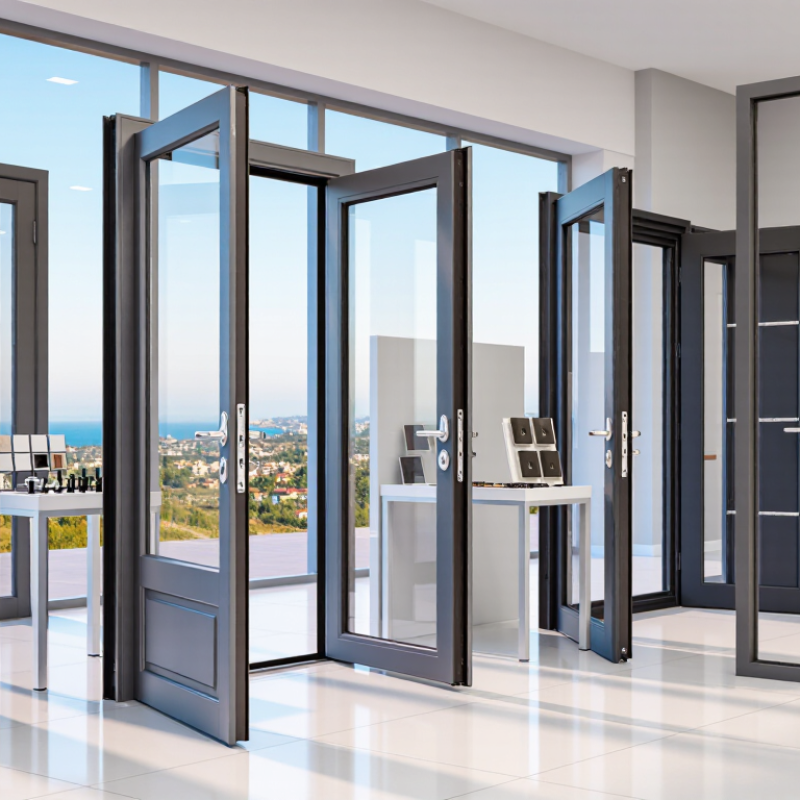
10 Aluminum Door Buying Tips for Global Buyers

Define Project Requirements and Select the Right Aluminum Door Type

Before comparing finishes or prices, write down what the opening must do. Record its width, height, wall depth, and swing clearance. A site measure can reveal surprises: a sloped sill, uneven masonry, or a pipe near the frame. Small details matter.

Match the door type to daily use. Hinged doors suit many entrances, but they need clear floor space. Sliding doors save room and can connect a living area to a patio. Folding doors create a wider opening, though their panels need careful alignment. For busy commercial entrances, consider traffic frequency, closing speed, and hardware durability. For coastal or humid sites, ask about alloy grade, drainage paths, and protective finishes. A finish sample helps, but it cannot show years of weathering.

Think beyond the door leaf. Specify glazing needs, privacy, security hardware, accessibility, and cleaning access. Ask the supplier for section drawings, test information, installation details, and maintenance guidance. Check whether the proposed frame fits the actual wall construction. I have seen buyers choose a wide opening, then discover furniture blocks the panels. It is easy to miss. Leave time for a site review; drawings alone can be wrong, and measurements sometimes need a second check.

Compare Frame, Glass, Hardware, and Finish Specifications

When comparing aluminum door frames, ask for the profile depth, wall thickness, and thermal-break details—not just “thermal aluminum.” A continuous insulating barrier between inner and outer metal can reduce heat transfer, but performance depends on the full door assembly. Request tested whole-door U-factor data where available. The U.S. Department of Energy reports that windows account for roughly 25–30% of residential heating and cooling energy use; this is not a door-specific figure, but it shows why glazed openings deserve careful review. Small numbers matter.

For glass, compare pane count, low-emissivity coating, gas fill, safety treatment, and certified U-factor and solar heat-gain coefficient. A sunny west-facing entrance may need different glass from a shaded, cold-climate doorway. Check that the quoted rating applies to the complete glazed door, not only the center of the glass. That distinction is easy to miss. For hardware, request the alloy or grade, load rating, cycle-test information, and corrosion-test results. Hinges should carry the actual door weight; a heavy glass panel can expose undersized hardware quickly.

Finish specifications should state the coating type, color reference, pretreatment, and expected maintenance. Ask for written test documentation, such as coating adhesion and weathering results, and confirm whether cut edges receive protection. Compare warranty terms alongside test data. A glossy sample can look convincing indoors, yet reveal little about long-term exposure. I would also check replacement-part availability before ordering; it is an unglamorous detail, but a failed handle can make a good door frustrating.

10 Aluminum Door Buying Tips for Global Buyers: Compare Frame, Glass, Hardware, and Finish Specifications

Illustrative center-of-glass U-factor values show how glazing choices can affect heat transfer. Lower values indicate better insulation. Actual performance varies by glass build-up, coatings, gas fill, and test method; compare certified product data for the complete door system, including its frame, hardware, and finish.

Check Energy Performance, Safety Standards, and Local Compliance

Before comparing aluminum doors, check the whole assembly: frame, thermal break, glass, seals, and installation details. The U.S. Department of Energy reports that windows account for about 25–30% of residential heating and cooling energy use. That figure is not a door-specific estimate, but it shows why glazed openings deserve attention. Ask for tested U-factor and solar heat gain coefficient (SHGC) values, and confirm the rating applies to the specified size and glazing. Small print matters.

Energy ratings are only part of the purchase. Confirm that the door’s glass meets the safety-glazing rules adopted where the building is located. In the United States, ANSI Z97.1 and CPSC 16 CFR Part 1201 are commonly referenced; other markets may use different standards. Ask for test reports covering the actual glass configuration, not a similar-looking sample. A heavy panel can still fail if hinges, locks, or fixings are poorly matched.

Local compliance can change by city, climate zone, building type, and exposure. Check required wind-load, water-penetration, air-leakage, fire, and accessibility provisions with the local authority or project professional before ordering. The International Energy Conservation Code sets energy requirements, but jurisdictions may adopt different editions or amendments. Get the applicable code edition in writing. I have seen buyers focus on frame color and overlook sill drainage; it is an easy detail to miss, and an expensive one after installation.

10 Aluminum Door Buying Tips for Global Buyers — Check Energy Performance, Safety Standards, and Local Compliance
No. Buying Check What to Verify Why It Matters Practical Action
1 Thermal performance Ask for whole-door U-factor or U-value test results, including the frame and glazing where applicable. Lower heat transfer can improve comfort and reduce heating or cooling demand. Results depend on the complete door assembly, not just the glass. Compare products tested to the same method and check whether the reported value applies to the whole door or only one component.
2 Thermal-break design Confirm whether the aluminum frame uses a thermal break and request details on frame construction and condensation control. Aluminum conducts heat readily. A thermal break can reduce heat flow through the frame, but performance varies by design and installation. Request product-section drawings and performance documentation for the exact frame configuration being quoted.
3 Air leakage Check the tested air-leakage rating for the specified door size, configuration, and operating type. Air leakage can affect drafts, comfort, and energy use. Actual results depend on seals, hardware, installation, and upkeep. Ask for the test standard, specimen details, and rating; confirm the project’s required limit with the local code authority.
4 Water penetration Review the tested water-resistance rating and the pressure level achieved under the applicable test method. Exposure to wind-driven rain varies by location and building height. A test rating helps assess suitability but does not replace correct flashing and drainage. Match the documented rating to project exposure and ask how the sill, threshold, and perimeter interface should be installed.
5 Structural and wind-load capacity Verify design-pressure or structural test data for the door’s size, glazing, frame, and anchorage conditions. Wind loads differ by site, building height, terrain, and local requirements. Ratings for a smaller test specimen may not cover a larger door. Have the project designer confirm required loads and obtain written confirmation that the proposed configuration meets them.
6 Safety glazing Determine whether the door includes glazing in a hazardous location and whether safety glazing is required by local rules. Building regulations commonly specify safety-glazing requirements for certain door locations, but exact rules vary by jurisdiction. Check the applicable building code and request glass type, thickness, and permanent safety-glazing identification where required.
7 Security and hardware Review lock type, cylinder options, hinge security, multipoint locking, and any independent test or certification documentation. Security depends on the complete assembly, including frame, glass, lock, fixings, and installation; no single hardware feature guarantees resistance to entry. Specify the required security level with the project team and confirm that the tested configuration matches the supplied door.
8 Fire and egress requirements Check whether the opening is subject to fire-rating, smoke-control, accessibility, or emergency-exit requirements. Not every aluminum door is suitable for a fire-rated opening or an exit route. Requirements depend on building use and local regulations. Obtain approval from the project code professional before ordering; verify that labels, hardware, and installation match any required listing.
9 Local compliance and documentation Confirm applicable codes, product approvals, test standards, energy rules, labeling, and import documentation for the destination market. Requirements can differ between countries, regions, and project types. A test report alone may not satisfy local approval or documentation rules. Ask the local building authority or qualified project professional which evidence is required, and obtain documents for the exact product configuration.
10 Installation, warranty, and lifecycle Review installation instructions, compatible sealants and fixings, maintenance needs, warranty scope, and replacement-part availability. Installation affects weather performance and durability. Coastal exposure, cleaning practices, and finish selection can also influence service life. Confirm installer responsibilities, site-measurement tolerances, care instructions, warranty exclusions, and the process for obtaining parts before purchase.

Evaluate Manufacturers, Samples, Pricing, and Quality Controls

Choosing an aluminum door manufacturer starts with evidence, not polished catalog images. Ask how long the company has produced the specific door system you need. Request factory photos, production records, and references for comparable projects. Check whether staff can explain alloy grade, wall thickness, finish options, and hardware compatibility clearly. Vague answers deserve follow-up. A low quote means little if key specifications are missing.

Order a sample before approving a large shipment. Inspect the frame corners, drainage holes, seals, and coating under natural light. Open and close the door repeatedly. Check for sticking, uneven gaps, and loose handles. A small sample cannot prove every production unit will match, but it can reveal poor workmanship early. Keep a signed sample as a reference. This step is easy to skip when schedules feel tight.

Compare prices using the same written specification. Include packaging, hardware, finish, delivery terms, and replacement-part costs. Ask what inspection records are supplied for each production batch. Useful checks may include dimensions, coating thickness, glass fit, and operating function. Confirm who performs them and when. Third-party inspection can help when orders are large or specifications are complex. Still, inspection plans are not guarantees. Record defects with dated photos, and agree on a practical remedy before production begins. I would not rely on a verbal promise; details sometimes get lost.

Confirm Shipping, Installation Support, Warranty, and After-Sales Service

Before placing an aluminum door order, confirm how it will travel. Ask whether frames, panels, hardware, and glass ship together or in separate crates. Request crate dimensions, gross weight, and packing details; these affect unloading equipment and storage space. Check who handles port charges, customs paperwork, and damage claims. Get the delivery schedule in writing. Delays happen.

Installation support matters when local crews have not fitted that door system before. Ask for clear drawings showing opening dimensions, fixing points, drainage paths, and required clearances. A short video call with a technical representative can resolve questions before the frame is lifted into place. Confirm whether remote guidance is included or billed separately. Check that instructions use measurements your crew can verify on site.

Read the warranty closely, not just the coverage period. Confirm which parts are covered, when coverage begins, and what evidence is needed for a claim. Ask how long replacement components usually take to arrive. After-sales support should include a named contact, response-time expectations, and a process for reporting defects with photos and order details. Test the process before committing: send a technical question and note how clearly it is answered. Paperwork can look complete and still leave practical gaps. That deserves a second look.

FAQS

What frame details should I compare when choosing an aluminum door?

Check profile depth, wall thickness, alloy grade, and thermal-break construction. A continuous insulating barrier can reduce heat transfer. Ask for whole-door thermal ratings, not vague “thermal” claims. Small numbers matter.

How can I compare the glass specifications?

Compare pane count, low-emissivity coating, gas fill, safety treatment, and certified ratings. Confirm the rating covers the complete glazed door. A sunny west-facing entrance may need different glass from a shaded doorway.

Does the glass rating change with door size?

Yes, the specified size can affect performance. Request test data for the actual configuration and glass dimensions. Center-glass data alone may mislead. It is easy to miss.

What hardware information should I request?

Ask for material grade, load rating, cycle-test results, and corrosion-test records. Hinges must support the complete door weight. Heavy glass panels can expose weak hardware quickly.

Which finish details deserve attention?

Confirm coating type, color reference, surface preparation, and maintenance needs. Ask whether cut edges receive protective treatment. A glossy indoor sample proves very little about outdoor durability.

What energy and safety checks are important?

Request tested whole-door U-factor and solar heat-gain data. Confirm the glass meets local safety-glazing requirements. Check wind, water, air-leakage, fire, and accessibility rules before ordering.

How can I evaluate a manufacturer before placing a large order?

Request factory photos, production records, and references for similar projects. Ask clear questions about profiles, finishes, seals, and hardware compatibility. Vague answers deserve another question.

Why should I inspect a sample door?

Inspect corners, drainage holes, seals, coating, and handle tightness under natural light. Open and close it repeatedly. Look for sticking or uneven gaps. A sample cannot prove everything.

How should I compare prices fairly?

Use one written specification for every quotation. Include packaging, hardware, finish, delivery, inspection, and replacement parts. A low price means little when specifications are missing. I would still check twice.

Conclusion

Choosing an Aluminum Door for an international project starts with clear requirements. Define the intended use, opening size, design preferences, climate conditions, and budget before selecting a suitable door type. Then compare the frame material and profile, glass options, hardware, and finish to ensure they meet the project’s needs for appearance, durability, security, and ease of use.

Before ordering, review energy performance, relevant safety standards, and local project requirements. Assess potential manufacturers through product samples, transparent quotations, documented quality-control procedures, and clear communication. Finally, confirm packaging and shipping arrangements, installation guidance, warranty coverage, and after-sales support. Considering these details together helps buyers make a well-informed choice, reduce avoidable delays, and select a door solution that performs reliably throughout its service life.

Liam

Liam

Liam is a dedicated marketing professional with a profound expertise in the industry, where he excels at highlighting the unique advantages of our core products. With a keen understanding of market trends and consumer needs, Liam frequently updates our company’s professional blog, providing......