An Aluminum Window uses a frame made mainly from aluminum to hold glass in place and connect it to a building’s opening. Aluminum is valued for its strength, slim profiles, and resistance to rust. That strength can support broad panes, bringing daylight into rooms without bulky frame lines. The metal can also be shaped and finished in many colors, from matte black to soft bronze. Clean lines. Easy to recognize.
Choosing one still requires more than liking its appearance. Aluminum conducts heat readily, so frame design matters. Many modern products use thermal breaks, which separate the inner and outer frame surfaces with a less conductive material. This can help reduce heat transfer, though results depend on the full window, installation, climate, and glazing. Look for clear product specifications, including tested energy performance and hardware details. These details are less exciting than the finish, but they affect daily comfort.
Maintenance is usually straightforward: clean the frame and glass, and check seals and moving parts as recommended by the manufacturer. Yet no window is maintenance-free. Coastal air, frequent use, poor installation, or neglected drainage can influence service life. A well-chosen aluminum window may suit contemporary homes, renovations, and commercial spaces, but it is not automatically the best fit for every project. Comparing frame design, glass options, warranty terms, and installer experience gives buyers a more reliable basis for deciding. A small detail can matter. That is worth remembering.
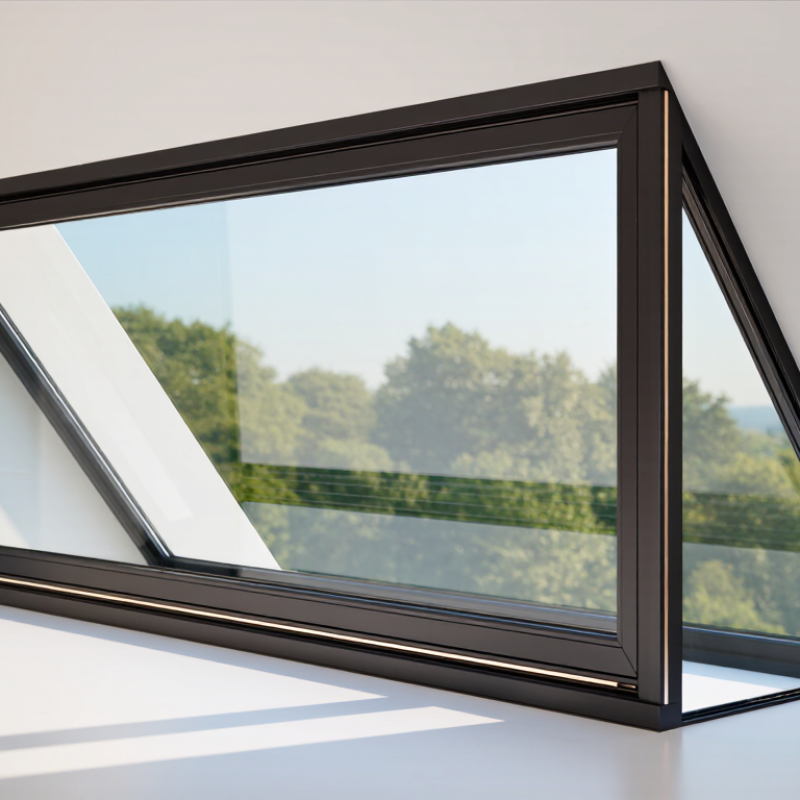
An aluminum window is a window system built around an aluminum frame and sash. Aluminum is formed into narrow, strong profiles that hold the glass, seals, hinges, and locking hardware. Its clean lines allow more glass and slimmer sightlines than many traditional frames. It also resists warping, cracking, and insect damage in changing weather.
In practical use, aluminum frames feel firm when opening and closing. They suit large panes, sliding panels, and tall windows because the material provides useful structural strength. Powder-coated or anodized finishes can protect the surface and offer different appearances. However, ordinary aluminum conducts heat quickly. Without a thermal break, the inner frame may feel cold in winter and warm in summer. That detail matters.
Modern aluminum windows often include insulated chambers, thermal breaks, low-emissivity glass, and multiple weather seals. These features help reduce heat transfer, air leakage, and outdoor noise. The frame alone does not determine performance. Glass selection and installation quality matter just as much. A poorly sealed joint can weaken an otherwise efficient window. I have seen attractive installations fail because the surrounding wall was not prepared carefully. Aluminum is durable, but it is not maintenance-free. Inspecting seals, drainage paths, and hardware every few years is sensible. Some claims about energy savings also sound too certain; climate, orientation, glazing, and shading must be considered together.
An aluminum window is more than a metal frame. Its main structure uses extruded aluminum profiles, shaped into the head, sill, jambs, and sash. At the corners, these sections are usually joined with mechanical fasteners or crimped connections. The exact method varies by design.
In many insulated windows, polyamide strips form a thermal break between the frame’s inner and outer surfaces. This reduces heat transfer, though it does not eliminate it.
Glass fills the sash and may be single-, double-, or triple-pane. In insulated glazing, a spacer separates the panes, while a sealed cavity may contain dry air or an insulating gas. Edge seals help limit moisture entry.
Small parts matter. Hinges, locks, handles, and rollers affect how smoothly the window opens and closes.
Gaskets around the glass and sash help resist drafts and rain. The aluminum’s exterior often has a powder-coated or anodized finish for color and surface protection. Drainage openings in the sill let trapped water escape.
When comparing windows, check the glazing, thermal break, seals, and hardware together; a strong frame alone does not determine comfort or performance.
Aluminum windows begin as billets heated and pushed through shaped dies to form long profiles. The profiles are cooled, cut to measured lengths, and machined for locks, hinges, and drainage openings. Many frames use a thermal break: a plastic strip separates the inner and outer aluminum sections, reducing heat transfer. This detail matters in both hot and cold climates. Corners are joined, then glass is fitted with seals and glazing beads. Each unit should be checked for dimensions, smooth operation, and visible damage before shipping.
Installation starts with careful measurements of the opening. The installer checks that the sill is level and the sides are plumb, then positions the frame with shims. Small gaps matter. Fasteners secure the frame without twisting it, while flashing and sealant help direct water outward. Drainage paths must stay clear; sealing every opening can trap water instead. Even precise work may need adjustment when an older wall is uneven, so the frame should be tested before the trim goes on.
Tips: Keep the protective film on during construction, but remove it within the period recommended by the supplier. Confirm that weep holes remain open after sealing. Test each sash for smooth movement, and look for drafts around the perimeter. A small alignment problem can be easy to miss until daily use.
| Topic or stage | What it involves | Why it matters | Practical note |
|---|---|---|---|
| What an aluminum window is | A window whose frame and sash are made primarily from shaped aluminum sections, combined with glazing, hardware, seals, and drainage features. | The metal frame supports the glass and moving parts while allowing relatively slim sightlines. | Performance depends on the complete window assembly, not the frame material alone. |
| Strength and frame design | Aluminum profiles can be engineered with internal chambers and structural reinforcements to suit different sizes and loads. | A strong frame can support large panes and narrow frame profiles when correctly designed and installed. | Required profiles and reinforcements vary with window size, glass weight, wind exposure, and local building requirements. |
| Thermal performance | Aluminum conducts heat readily. Thermally improved designs use a non-metallic barrier between the exterior and interior frame sections; insulated glass can further reduce heat transfer. | Thermal breaks and suitable glazing help limit heat flow and improve indoor comfort. | Compare rated whole-window performance for the intended climate; frame and glass specifications both matter. |
| Finish and upkeep | Common finishes include anodizing and applied coatings. Routine care generally involves cleaning the frame, checking seals, and keeping drainage paths clear. | The finish helps protect the surface and provides its color and appearance. | Use cleaning methods suitable for the finish; abrasive tools and harsh chemicals may damage surfaces. |
| 1. Profile production | Aluminum is formed into window profiles, commonly by extrusion, then cut and prepared for the required frame and sash design. | The profile shape provides the channels and cavities needed for glazing, seals, hardware, and drainage. | Profile systems differ; fabrication follows the specifications of the chosen window design. |
| 2. Cutting and machining | Profiles are measured and cut to length. Openings for hardware, fasteners, and water drainage may be machined as required. | Accurate dimensions and correctly located openings help parts fit together and function as intended. | Cutting plans must account for the window type, frame dimensions, and assembly method. |
| 3. Finishing and assembly | Profiles receive the specified surface finish. Frame and sash sections are joined, and gaskets, seals, and operating hardware are fitted. | Sound joints and correctly fitted seals support smooth operation and help control air and water entry. | Assembly details vary by system and opening style, such as fixed, sliding, or hinged windows. |
| 4. Glazing and inspection | Glass is set into the sash or frame using the specified glazing components. The finished unit is checked for dimensions, appearance, hardware operation, and assembly quality. | Correct glass support and fit help protect the unit and allow it to operate properly. | Glass type and thickness should suit the design, safety needs, and applicable building codes. |
| 5. Preparing the opening | Before fitting, the rough opening is checked for suitable dimensions, sound framing, and a prepared sill and water-management details. | A properly prepared opening makes it easier to position and secure the window and manage water. | Opening preparation and flashing details depend on the wall construction and local requirements. |
| 6. Positioning and fastening | The window is placed in the opening, checked for level, plumb, and square, then shimmed and fastened at specified locations. | Correct alignment helps prevent binding, uneven gaps, and problems with locks or moving sashes. | Fastener type, spacing, and installation clearances should follow the window system instructions and applicable codes. |
| 7. Sealing and final checks | The perimeter is insulated and sealed as appropriate for the wall assembly. The installer checks operation, locks, seals, and drainage paths. | Careful sealing helps limit drafts and water entry while preserving the window’s intended drainage route. | Do not block designed weep holes or drainage channels; follow the installation instructions for sealant placement. |
Aluminum windows are valued for their strength, which allows frames to stay relatively slim while supporting broad panes of glass. More glass can bring daylight deeper into a room and open up views of a garden or street. The frame also resists swelling and warping when temperatures change. That stability can help windows operate smoothly over time.
Maintenance is usually straightforward. A soft cloth, mild soap, and occasional hardware checks are often enough for routine care. Factory-applied finishes come in many colors and can protect the metal from everyday weathering. Coastal homes need extra attention, though: salt deposits should be rinsed away, and finish quality matters. Not every setting is equally forgiving.
Thermal performance depends on construction, not just the material. Aluminum conducts heat readily, so a well-designed frame generally needs a thermal break between its inner and outer sections. This barrier can reduce heat transfer and help limit cold interior surfaces in winter. Small detail, big difference. Homeowners comparing options should check the whole window’s tested performance, including its glazing and seals. Aluminum is recyclable, but its production can require substantial energy; that trade-off deserves consideration rather than a quick claim of sustainability.
An aluminum window has a frame made from shaped metal profiles that hold the glass and moving parts. Aluminum is strong, so frames can often be relatively slim and admit more daylight. It also resists warping and needs little routine upkeep. Still, aluminum is not automatically the right choice for every home.
When choosing one, check for a thermal break: an insulating barrier between the frame’s inner and outer sections. This can reduce heat transfer and help limit condensation, though the full window’s performance matters too. Compare glass options, frame depth, seals, drainage, and hardware. In a cold or hot climate, ask for verified energy-performance ratings suited to your region. Near salt air, confirm the finish is designed for corrosive conditions. A sleek sample can still disappoint if installation leaves gaps or poor drainage. The installer matters.
Tips: Ask to see the frame corner and operating hardware, not just a small finish sample. Check how smoothly the sash opens and closes. Confirm the quoted window includes suitable glazing, installation details, and a clear warranty. If a specification is unclear, ask for it in writing. That small step can prevent surprises.
It uses an aluminum frame and sash to hold glass, seals, and hardware. The profiles can be narrow and strong.
They resist warping, cracking, and insect damage. Their strength can support broad glass panes and slim sightlines.
Slimmer frames may leave more room for glass. A large pane can brighten a room and open a view of a garden or street.
Not automatically. Aluminum transfers heat quickly, so thermal breaks, suitable glazing, and effective seals matter.
Check the complete window, including its tested performance, glass, seals, and installation. A frame alone tells only part of the story.
Routine care is fairly simple. Use mild soap and a soft cloth, then check seals, drainage paths, and hardware every few years.
Salt deposits should be rinsed off, and finish quality matters. Coastal conditions can be less forgiving.
Aluminum is recyclable, but producing it can require substantial energy. The trade-off deserves a closer look.
Yes. Poorly prepared walls or weakly sealed joints can undermine performance. That detail is easy to overlook.
An Aluminum Window is a window system built around frames made from aluminum profiles, combined with glass, seals, hardware, and other components. The frame is shaped and finished to hold the glazing securely and connect the moving parts, such as opening sashes and locks. Manufacturing typically involves cutting and joining the profiles, adding thermal or weather seals, fitting the glass and hardware, and checking that the finished unit operates properly. During installation, accurate measuring, secure fixing, and careful sealing help the window fit its opening and perform as intended.
Aluminum windows are valued for their strength, slim profiles, durability, and ability to support generous areas of glass. They are also available in different finishes and configurations, making them suitable for varied building designs. When choosing one, consider the opening style, frame dimensions, glazing, insulation and weather-performance needs, finish, maintenance, and installation requirements. Matching these details to the building and local conditions can help ensure lasting comfort, function, and appearance.

Velox Window & Glazing