Choosing among the 2026 Top Aluminium Sliding Window Manufacturers takes more than comparing glossy catalogs. A slim frame may look elegant, yet the track, rollers, seals, and installation determine how it performs after years of daily use. Listen for the quiet glide. Check how firmly the sash closes. Ask what happens when a roller wears or a seal needs replacing.
A useful expert perspective can be expressed this way: “A sliding window is only as dependable as its weakest moving part.” This is an illustrative quotation, not a verified statement from a named industry professional; no source material was provided to authenticate an expert attribution. In practice, buyers should compare frame materials, hardware quality, drainage design, thermal performance, warranty terms, and service support. Those details matter more than a dramatic showroom display.
This guide looks at manufacturers through those practical questions. It considers product range, customization, production experience, and the clarity of each company’s technical information. A strong supplier should explain specifications plainly and support claims with test data or documentation. Ask about the intended climate, opening size, glass options, and maintenance needs. One shortlist will not fit every project. And rankings have limits. A manufacturer may suit a coastal renovation but not a high-rise development with different performance demands. The right Aluminium Sliding Window is the one that meets the site’s needs, works smoothly, and remains serviceable over time. There is no perfect choice; even good hardware needs care.
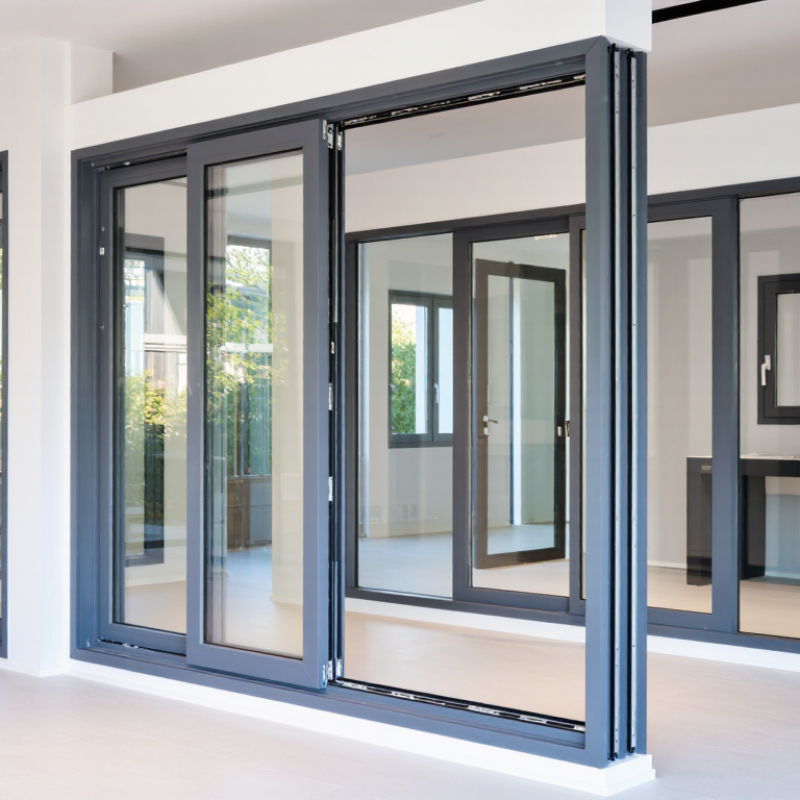
A capable aluminium sliding window manufacturer controls more than assembly. It understands how frame dimensions, alloy quality, and hardware work together in daily use. Ask how profiles are checked for straightness and how corner joints are sealed. Small gaps can invite water or create a sash that drags. Details matter.
Look for documented checks at several production stages, not just a final visual inspection. A useful process may include measuring frame diagonals, testing rollers, and checking drainage openings for blockage. Manufacturers should explain glass compatibility, thermal-break options, and finishes without making vague performance promises. Request sample sections or test records when available. Specific evidence builds trust.
Experience also shows in the questions a supplier asks about the project. Opening size, exposure to wind-driven rain, and expected use all affect design choices. Ask what installation guidance and replacement hardware are provided. Even a well-managed factory can have occasional defects; the important point is whether it records them and corrects the cause. Sometimes the paperwork is less polished than the product, so verify key details against the actual sample and agreed specifications.
Design begins with the opening, not the frame. Manufacturers measure the wall aperture, check drainage paths, and select glazing for local heat and wind conditions. A sliding sash must move smoothly while its seals limit air and water leakage. Small tolerances matter. Even slight misalignment can make a window harder to operate.
Aluminium profiles are extruded, cut to length, and machined for locks, rollers, and drainage slots. Thermal breaks separate interior and exterior metal surfaces, reducing heat transfer. Glazing is then fitted with gaskets and secured in the sash. The U.S. Department of Energy estimates that windows account for about 25–30% of residential heating and cooling energy use. That makes frame design and glass selection practical energy decisions, not just appearance choices.
Before shipment, manufacturers typically inspect dimensions, finish, hardware, and assembly, then test representative units for air, water, and structural performance. Not every frame fits. Site conditions still matter, and installation can undermine careful factory work. The International Aluminium Institute reports that recycling aluminium uses around 5% of the energy required for primary production. Recycled content can reduce material impact, but alloy quality and consistent finishing need attention. A neat profile is not enough.
When evaluating aluminium sliding window manufacturers in 2026, look beyond catalogue images. Ask for test reports that match the exact frame, glass, and hardware combination you plan to order. Performance can change when dimensions or components change. Check documented air leakage, water resistance, wind-load results, and thermal figures against your project’s climate and building requirements. A headline rating alone tells little.
Inspect samples closely. Do the sash rollers move smoothly? Are drainage slots cleanly finished, and do corner joints sit flush? Small details matter. Review the aluminium alloy, coating process, hardware specifications, and quality checks used during production. Ask how the manufacturer handles defects, replacement parts, and delivery delays. Clear answers are useful; vague promises are not. A polished brochure is not proof.
Reliable manufacturers should provide traceable technical documents, realistic lead times, and support for installation questions. Confirm who is responsible for measuring openings and resolving fit issues before placing an order. Compare warranty terms carefully, including exclusions and maintenance duties. If possible, speak with recent customers or inspect a completed project. No checklist catches everything. Even a thorough review can miss problems that appear after months of use, so leave room for follow-up and verify claims in writing.
Notable manufacturers stand out through measured performance, not showroom claims. The U.S. Department of Energy estimates that windows account for 25–30% of residential heating and cooling energy use. That makes frame design, glazing, and airtight installation important. Look for published U-factor and solar heat gain coefficient ratings, plus test documentation suited to the project’s climate. The National Fenestration Rating Council provides a recognized framework for comparing these values. Numbers help, but installation still matters.
For aluminium sliding systems, inspect thermal breaks, corner joints, drainage paths, and roller access. A sample should slide smoothly without rattling, even when the sash is large. Ask how the manufacturer tests air leakage, water penetration, and structural performance, and request project references with similar opening sizes. Details matter. A low-profile frame may look clean, yet leave less room for insulation or hardware. That trade-off deserves a closer look.
Reliable suppliers also provide clear fabrication tolerances, replacement-part support, and written maintenance guidance. Compare warranties carefully; coverage can differ between finishes, glass, and moving parts. Regional certifications may not transfer directly between markets, so verify the test standard behind each claim. A polished brochure is not proof. Independent ratings and documented quality checks offer stronger grounds for comparison.
Comparing aluminium sliding window manufacturers starts with the same test conditions. Ask for whole-window performance data, not just glass specifications. The U.S. Department of Energy’s Energy Saver guidance estimates that windows account for 25–30% of residential heating and cooling energy use. That makes air leakage, frame design, and installation details worth checking together.
Check each model’s National Fenestration Rating Council (NFRC) ratings, including U-factor and solar heat gain coefficient. Compare products with similar dimensions and glazing; otherwise, the figures may not be like for like. Ask whether test reports cover the exact sliding configuration you plan to buy. A low U-factor alone is not the whole answer. Look for clear documentation on water penetration, wind resistance, hardware durability, and replacement-part availability. Small details matter.
Service deserves the same scrutiny as product data. Request written lead times, installation responsibilities, warranty exclusions, and a process for damaged or misaligned panels. Ask who adjusts rollers if a sash drags after installation. The showroom sample may glide smoothly, but real performance depends on fitting and upkeep. Compare references from projects with similar opening sizes and exposure. One limitation: published ratings cannot predict every site condition. Check that the supplier explains what its data does—and does not—cover.
A capable manufacturer checks frame dimensions, alloy quality, hardware, and sealing. These parts affect how smoothly a sash moves and how well it handles rain. Small gaps matter.
Ask whether workers measure frame diagonals, test rollers, and inspect drainage openings. Checks at several production stages are more useful than a final visual review alone. Request records or sample sections when available.
Compare whole-window data for products with similar sizes and glazing. Check U-factor and solar heat gain coefficient ratings. A low U-factor alone tells only part of the story.
Ask for data on air leakage, water penetration, wind resistance, and hardware durability. Confirm that test reports cover the sliding configuration you plan to buy. Details matter.
The supplier should ask about opening size, wind-driven rain, and expected daily use. These details can affect frame and hardware choices. A missed question may matter later.
Get written lead times, installation responsibilities, warranty exclusions, and a plan for damaged or misaligned panels. Ask who adjusts rollers if a sash drags after fitting. Get it in writing.
No. Ratings cannot predict every site condition or installation issue. Ask what the test data covers and what it leaves out. I would verify the sample, too.
Ask how defects are recorded and how the cause is corrected. Check references from projects with similar opening sizes and exposure. Sometimes the paperwork is less polished; verify key details against the agreed specifications.
This article explains what defines an Aluminium Sliding Window manufacturer, from material sourcing and engineering expertise to production capacity and quality control. It outlines how these windows are designed and made, including frame fabrication, component selection, assembly, and performance testing. The discussion also considers the qualities buyers may prioritize in 2026, such as product durability, energy efficiency, customization options, consistent manufacturing standards, and responsive after-sales support.
Readers will find a practical framework for assessing notable manufacturers without relying on brand names alone. The article shows how to compare product specifications, design choices, service capabilities, delivery expectations, and overall value. By considering these factors together, homeowners, builders, and project planners can identify a manufacturer whose products and services suit their requirements and make a more informed purchasing decision.

Velox Window & Glazing